London ULEZ and Congestion Charge: how to avoid the fines
Driving into London can mean two separate daily charges: £12.50 for the ULEZ if your car fails the emissions standard, and £18 for the Congestion Charge in the centre. Foreign cars must be registered with TfL, and an unpaid charge turns into a £180 penalty. The simplest fix: park next to a Tube station outside the Congestion Charge zone.
Key points
- The ULEZ covers all of London 24 hours a day (except 25 December) and costs £12.50 a day for petrol cars below Euro 4 and diesels below Euro 6.
- The Congestion Charge applies in the centre from 7:00 to 18:00 on weekdays and 12:00 to 18:00 at weekends and on bank holidays: £18, or £21 if paid within the 3 days after.
- A car with foreign plates must be registered with TfL even if it complies; allow up to 10 working days.
- Pay only on tfl.gov.uk or in the TfL app, by midnight on the third day after the journey, or a £180 PCN follows (£90 if paid within 14 days).
- Parking by a station outside the Congestion Charge zone saves the £18, but it does not get you out of the ULEZ.
Two charges that work in completely different ways
Most drivers lump them together, but the ULEZ and the Congestion Charge answer different questions. The ULEZ asks what your car emits. The Congestion Charge asks where and when you drive it. You can owe one, both or neither on the same day.
| ULEZ | Congestion Charge | |
|---|---|---|
| Area | All London boroughs and the City of London (the M25 is outside) | Central London only |
| When | 24 hours a day, every day except 25 December | 7:00 to 18:00 Monday to Friday, 12:00 to 18:00 at weekends and on bank holidays |
| Who pays | Only vehicles that miss the emissions standard | Every vehicle driven in the zone during charging hours, unless exempt or discounted |
| Daily price | £12.50 | £18 in advance or on the day, £21 if paid later |
| Last moment to pay | Midnight on the third day after the journey | Midnight on the third day after the journey |
Two details change the bill. The ULEZ day runs from midnight to midnight, so a drive that starts at night and carries on after midnight counts as two charging days. And TfL is explicit that a non-compliant car parked inside the ULEZ owes nothing on a day it is not driven. The Congestion Charge, for its part, is paid once a day however many times you cross the boundary.
There is no charge at all for the Congestion Charge from Christmas Day to the New Year’s Day bank holiday inclusive. The ULEZ stops only on 25 December.
Timing is a tool too
The Congestion Charge only applies to driving inside the zone during charging hours. Outside them, the zone is free to enter. A theatre evening where you drive in after 18:00 on a weekday, or a Saturday or Sunday morning drive that ends before 12:00, costs nothing in Congestion Charge. The ULEZ has no such window. If your car fails the standard, the time of day makes no difference, and TfL stresses that even a short trip inside the zone means the full £12.50, residents included. Only a day without driving the car in London avoids it.
Does your car meet the ULEZ standard?
TfL judges a vehicle by the Euro emissions standard it was built to, not by its age. The thresholds are simple:
- Petrol cars and vans: Euro 4 (NOx).
- Diesel cars and vans: Euro 6 (NOx and particulates).
- Motorcycles, mopeds, tricycles and quadricycles: Euro 3.
The charge concerns cars, motorcycles, vans and specialist vehicles up to and including 3.5 tonnes, plus minibuses up to and including 5 tonnes. Heavier vehicles fall under a separate scheme, the Low Emission Zone.
For British cars, TfL says compliant petrol models are generally those first registered new after 2005, and compliant diesels those registered after September 2015. Those dates follow the European rules: Euro 4 became mandatory for all new cars in 2005, and Euro 6 for new cars in September 2015. Treat them as a rough guide only: TfL notes, for instance, that petrol cars meeting the standard have been on sale since 2001. The decisive fact is the Euro standard written in the vehicle’s papers. On a recent British logbook (V5C) it may appear in section D.2. Many foreign registration certificates do not show it clearly, which is why TfL accepts a letter from the manufacturer or a Certificate of Conformity as proof.
The quickest check is TfL’s own vehicle checker, which works from the number plate. TfL holds data on many foreign vehicles; if yours is missing, the checker lets you submit a copy of the registration document showing its Euro standard.
Foreign plates: register before you drive
This is the step visitors miss. TfL asks owners of vehicles registered outside the UK to register them with TfL even when they meet the standard. Without that registration, TfL may not know your car is compliant and treats it accordingly.
What you need:
- A free London Road User Charging account on the TfL website.
- A copy of your registration certificate (the non-UK equivalent of the V5C).
- Proof of the Euro standard: a letter from the manufacturer’s homologation department, or a Certificate of Conformity (CoC).
Processing can take up to 10 working days. Until TfL confirms that your vehicle meets the standard, you must pay the daily charge whenever you drive in the zone, or risk a penalty. Once your status is confirmed you can ask for a refund. In practice: register as soon as the trip is booked, not the evening before.
Electric car owners have one more reason to register. The old 100% Congestion Charge exemption for cleaner vehicles has ended. An electric car now gets 25% off, so £13.50 instead of £18, but only if it is registered with TfL and enrolled in Auto Pay. A foreign electric car paying day by day pays the full price.
Paying: deadlines, channels and how to avoid a penalty
Both charges are paid through the same TfL service, Pay to drive in London: on the website, in the free official app of the same name, or by phone (+44 343 222 2222 from abroad). You can pay up to 90 days in advance, on the day, or afterwards until midnight on the third day after the journey. For the Congestion Charge, waiting costs money: £18 becomes £21 after the day of travel.
Auto Pay is the safest option if you will drive in London on several days. It is free, needs a card or a Direct Debit, and bills you monthly for every charging day recorded by the cameras. TfL says it protects you from Penalty Charge Notices. It covers journeys from the moment it becomes active, including earlier the same day, but not the day before.
If you do not pay in time, the registered keeper receives a Penalty Charge Notice (PCN). The amounts are identical for both schemes for a car:
| Stage | Amount |
|---|---|
| PCN paid within 14 days | £90 |
| PCN paid between day 15 and day 28 | £180 |
| Unpaid after 28 days (charge certificate) | £270 |
After that comes an order for recovery and, eventually, enforcement agents whose fees are added to the debt. TfL also issues a PCN when the charge was paid for the wrong number plate or the wrong date, so double check both. And because each charging day is separate, three unpaid days mean three PCNs. TfL states plainly that UK and non-UK vehicles alike can receive them.
The strategy: park outside the Congestion Charge zone, finish by Tube
The ULEZ covers the whole of London, so no car park lets a non-compliant car escape it: if the car fails the standard, you pay £12.50 for every day you drive it, wherever you park. The Congestion Charge is different. Its zone is small, roughly the area inside the inner ring road, and most of what visitors come for, from Westminster and the West End to the City and the South Bank, lies inside it. Leaving the car outside and covering the last few kilometres by Underground, Elizabeth line or DLR removes the £18 and the stress of central London traffic at the same time.
On the official TfL map, the boundary follows the inner ring road. The big boundary roads, such as Park Lane, Marylebone Road and Euston Road, are drawn as uncharged roads, but you only need to stray one street inside to owe the full day. When in doubt, use the postcode checker on the TfL website before choosing an address.
We checked each car park below against the official boundary that TfL’s own interactive map uses, and the nearest stations with TfL’s official station data. All of them are outside the Congestion Charge zone. All of them are inside the ULEZ.
Close in: a few stops from the centre
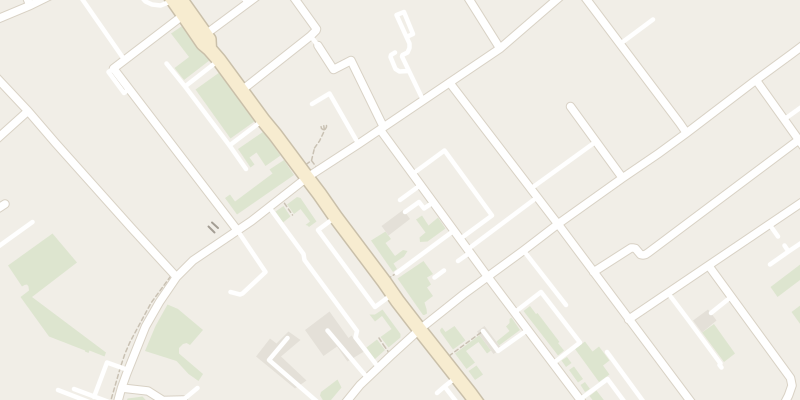
- St John’s Wood, north west of Regent’s Park, stands right by St. John’s Wood station on the Jubilee line, which runs without a change to Baker Street, Bond Street, Green Park, Westminster, Waterloo and London Bridge.
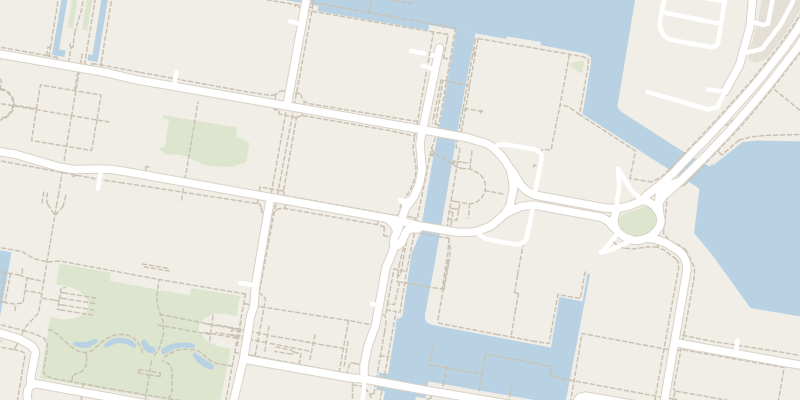
- Canada Square is in the heart of Canary Wharf, a short walk from three separate stations: the Jubilee line, the Elizabeth line and the DLR. The Elizabeth line reaches Liverpool Street, Farringdon, Tottenham Court Road and Bond Street without a change.
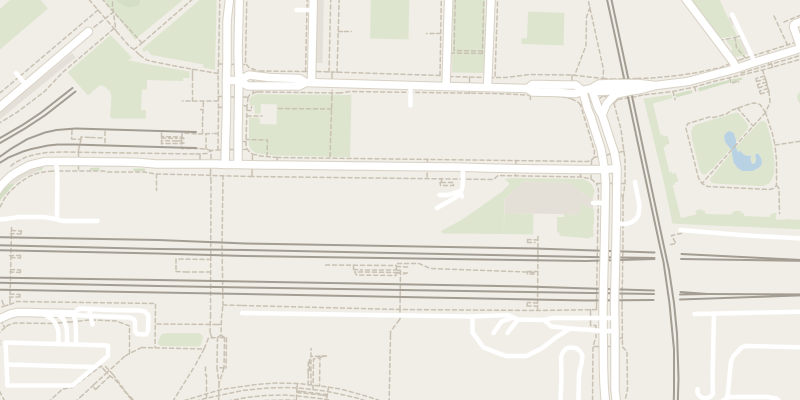
- Stratford International sits beside the Westfield shopping centre. Stratford station, a short walk away, offers the Central line, the Jubilee line, the Elizabeth line and the Overground; Stratford International itself has the DLR and Southeastern trains. The Jubilee line links all three of these car parks, so you can even switch between them.
Further out: suburban stations on the main lines
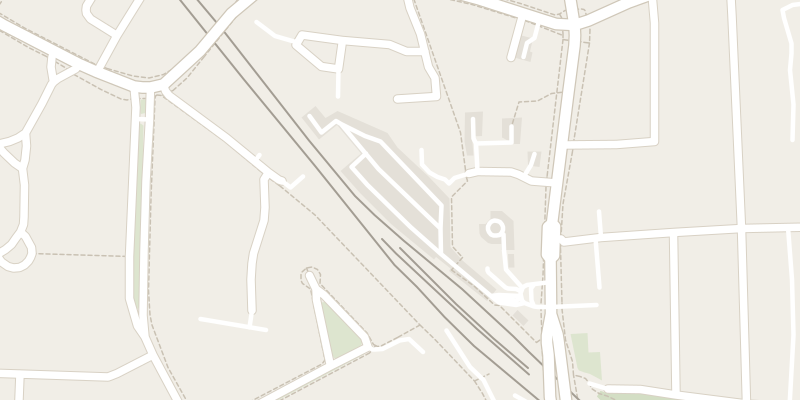
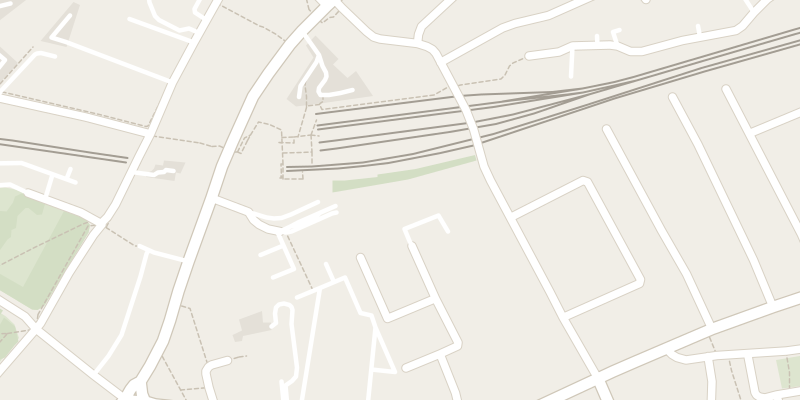
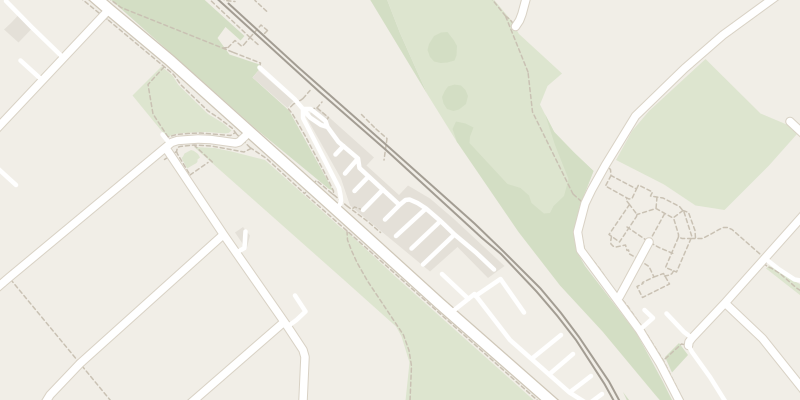
- East Finchley and High Barnet are station car parks on the Northern line, practical if you arrive from the north. Northern line trains from here reach Euston, King’s Cross St. Pancras, Bank and London Bridge.
- Richmond is a multi storey car park beside a station served by the District line, the Overground and South Western Railway trains. The District line continues to Victoria, St. James’s Park, Westminster, Embankment and Tower Hill.
The cards show what our database knows about each car park and link to directions in Waze, Google Maps or Apple Maps. Prices and opening rules belong to the operators and can change; check them on site or with the operator before you leave the car for the day.
A day in London by car: the check list
Put together, a typical visit looks like this:
- Weeks before: run the TfL vehicle checker. If you have foreign plates, create the account and register the car with your papers.
- Before the day: pay the ULEZ charge in advance if the car fails the standard, or set up Auto Pay. Pick a car park outside the Congestion Charge zone next to a station.
- On the day: drive to that car park without crossing into the zone. During charging hours, one wrong turn inside the boundary means £18 for the day.
- After the day: if you did enter the zone, pay before midnight on the day to stay at £18, or before midnight on the third day after at £21.
- If a PCN arrives: pay within 14 days to halve it, or challenge it within 28 days if you had paid or were exempt.
For street parking rules, red routes and the full list of car parks by area, see our page on parking in London.
Frequently asked questions
Do I have to pay the ULEZ with a foreign car?
How much is the London Congestion Charge in 2026?
Can I pay the ULEZ after driving?
Do you pay the Congestion Charge at weekends?
Does a car park outside the centre avoid the ULEZ?
Sources
- Transport for London, Ultra Low Emission Zone
- Transport for London, ULEZ: where and when
- Transport for London, ULEZ standards
- Transport for London, ULEZ: cars
- Transport for London, Paying the ULEZ charge
- Transport for London, Penalty charges for ULEZ
- Transport for London, ULEZ enforcement process
- Transport for London, Congestion Charge
- Transport for London, Congestion Charge: where and when
- Transport for London, Congestion Charge zone map
- Transport for London, Congestion Charge payments
- Transport for London, Changes to the Congestion Charging scheme
- Transport for London, Congestion Charge penalties and enforcement
- Transport for London, Pay to drive in London
- Transport for London, Non-UK vehicles driving in London
- Transport for London, Register a vehicle to drive in London
- Transport for London, Check your vehicle
- Transport for London, Auto Pay
- Transport for London, Avoid payment fraud
- Transport for London, Unified API (stations near each car park)
Checked against official sources on 2 October 2026. Report an error
Related articles
UK parking apps: RingGo, PayByPhone and the National Parking Platform
Most UK councils now expect you to pay for parking with an app, a phone call or a PayPoint, and the app depends on where you park. Here is which councils use RingGo or PayByPhone, what the extra fees cost and how the National Parking Platform lets you keep the app you already have.
8 min read United KingdomPavement parking rules in the UK: London, Scotland and England
Parking with even one wheel on the pavement is banned in London and Scotland, while the rest of England still works street by street. Here is where the ban applies, how penalty charges work, which exemptions exist and what to check before you drive.
8 min read United KingdomYellow box junction and bus lane fines in England: a guide
Stopping in a yellow box or driving in a bus lane at the wrong time is caught by cameras and costs £160 in London, or up to £70 elsewhere in England. Here is when you may enter, who can fine you, how to pay and how to appeal.
8 min read