Manhattan congestion toll 2026: prices, hours, where to park
Since January 2025, cars entering Manhattan at or south of 60th Street pay the Congestion Relief Zone toll: 9 USD at peak with E-ZPass, 2.25 USD overnight, and once per day at most. Here are the official rates in force, the traps with rental cars, and real car parks outside the zone next to the subway or PATH.
Key points
- The toll applies when you enter Manhattan at or south of 60th Street; the FDR Drive and the West Side Highway are excluded while you stay on them.
- Car with E-ZPass: 9 USD at peak and 2.25 USD overnight. Without E-ZPass, the mailed bill is 13.50 USD or 3.30 USD.
- Peak runs from 5:00 to 21:00 on weekdays and from 9:00 to 21:00 at weekends; you pay once per day, at the rate of your first entry.
- Tunnel credits (Lincoln, Holland, Queens-Midtown, Hugh L. Carey) apply only with E-ZPass and at peak, up to 5 USD a day.
- Parking in Queens, the Bronx, Harlem or New Jersey next to the subway or PATH avoids the toll entirely.
Where the zone starts and what triggers the charge
The Congestion Relief Zone covers Manhattan south of 60th Street, with 60th Street itself included. North of that line, in Harlem, on the Upper West Side or on the Upper East Side, there is no charge. Brooklyn, Queens, the Bronx, Staten Island and New Jersey are not part of the zone either.
You pay when you enter the zone, not when you drive inside it. The MTA is explicit: if you stay in the zone, whether parked for several days or driving only within it, you are not charged. Leaving the zone costs nothing.
Three roads are excluded as long as you stay on them:
- the FDR Drive, along the East River;
- West Street and the West Side Highway, along the Hudson;
- the Hugh L. Carey Tunnel connections to West Street.
The moment you leave one of these roads for a local street at or south of 60th Street, you have entered the zone and the toll applies.
There are no barriers and no booths. Detection points read the plate of every vehicle entering the zone, and further readers along the excluded roads check whether you leave them. Nothing to stop for and nothing to pay on the spot: the charge goes to your E-ZPass account or, without one, a bill is mailed to the vehicle’s registered owner.
How much it costs in 2026
The rates come from the toll schedule of the MTA’s bridges and tunnels authority, which sets the charge in phases. Since 5 January 2025 the toll has been charged at 60% of its original value, and that first phase runs until the end of 2027. For an ordinary car (sedan, SUV, pickup with a factory bed, van without a raised roof):
| Car | Peak | Overnight |
|---|---|---|
| With E-ZPass | 9 USD | 2.25 USD |
| Without E-ZPass (Tolls by Mail) | 13.50 USD | 3.30 USD |
Motorcycles pay 4.50 USD at peak and 1.05 USD overnight with E-ZPass, or 6.75 USD and 1.65 USD by mail. Trucks and buses have their own, higher rates.
In a yellow cab, a green cab or a for hire car, the car toll does not apply: the passenger pays a per trip charge of 0.75 USD, or 1.50 USD on trips dispatched by the large app based services.
The schedule already fixes the next steps. From 2028 to 2030, a car with E-ZPass will pay 12 USD at peak and 3 USD overnight, or 18 USD and 4.40 USD by mail. From 2031, the rates become 15 USD and 3.75 USD with E-ZPass, and 22.50 USD and 5.50 USD by mail.
One more line in the schedule matters to visitors: the MTA reserves the right to charge 25% more on Gridlock Alert Days. NYC DOT designates these days each year during the UN General Assembly and over the holiday season, exactly when many tourists drive in.
Emergency vehicles and vehicles transporting people with disabilities are exempt when they qualify under state law, as are authorised commuter buses.
Peak hours, the overnight rate and the once a day rule
The peak period runs Monday to Friday from 5:00 to 21:00, and Saturday and Sunday from 9:00 to 21:00. Every other hour is overnight: from 21:00 to 5:00 on weekdays, and from 21:00 to 9:00 at weekends.
Cars and motorcycles pay once per day at most. The MTA counts the day from 0:00 to 23:59 and charges the rate in effect the first time you enter. That rule has very concrete consequences:
- Enter on a weekday before 5:00 and you pay the overnight rate, 2.25 USD with E-ZPass, even if you drive out and back in during the afternoon.
- On Saturday and Sunday, the peak only starts at 9:00. A visitor who crosses the line at 8:30 pays the low rate for the whole day.
- Enter at 20:30, leave, and come back after midnight: that is two calendar days, so two charges.
- Once your car is parked inside, it costs nothing more in toll. A car left in a Midtown garage for several days pays only for the day it entered.
If your hotel is inside the zone, the cheapest plan is therefore simple: arrive outside peak hours, park, and leave the car where it is until you go.
Tunnel credits: only with E-ZPass, only at peak
Drivers who already pay a toll at certain tunnels get a credit against the zone toll. It applies only during the peak period and only to vehicles using E-ZPass. For a car, from 2025 to 2027:
- Lincoln Tunnel or Holland Tunnel, entering the zone from New Jersey: 3 USD per trip.
- Queens-Midtown Tunnel or Hugh L. Carey Tunnel, entering or leaving the zone: 1.50 USD per trip.
- Maximum credit per day: 5 USD.
A car with E-ZPass that comes through the Holland Tunnel at 10:00 on a Tuesday therefore pays 6 USD for the zone, on top of the tunnel’s own toll. The schedule lists credits for these tunnels only: if you enter by any other route, for example over a bridge from Queens or the Bronx, you pay the full zone toll.
Park outside the zone and finish by subway or PATH
The toll only targets cars that cross the line. Leave the car just outside and take the train for the last few miles, and you do not pay it at all. Here are real car parks from our database, all outside the zone, each one next to a station. Their rates, opening hours and capacity are shown on the cards, straight from the official sources.
From Long Island, the airports or Queens. The Court Square garage in Long Island City is run by the city and sits a short walk from Court Sq station, served by the 7, E, F and G lines. On Queens Boulevard, the Sunnyside car park is next to 33 St-Rawson St station on the 7 line. Further east, the Borough Hall garage in Kew Gardens is close to Kew Gardens-Union Tpke station, on the E and F lines.
From the north. In the Bronx, the city’s Jerome 190th Street garage is right by Fordham Rd station on the 4 line. In Harlem, the Deb garage on West 135th Street is close to 135 St station on the B and C lines.
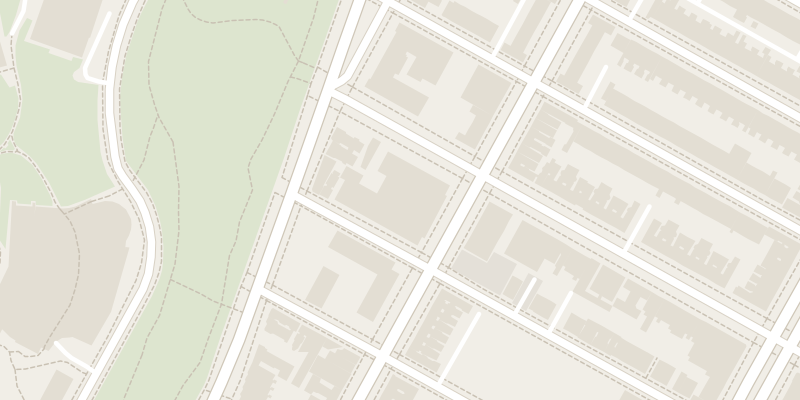
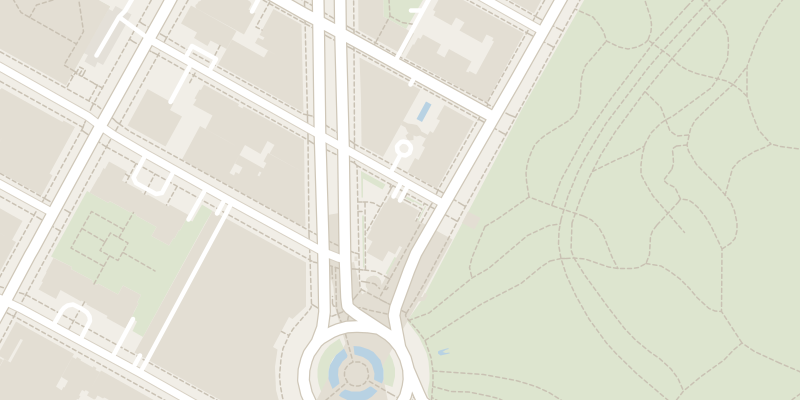
Just north of the line. The 1 CPW garage on West 61st Street is one block north of 60th Street, so outside the zone, a few steps from 59 St-Columbus Circle station. It only works if you arrive from the north: coming up from Midtown, you would already have entered the zone.
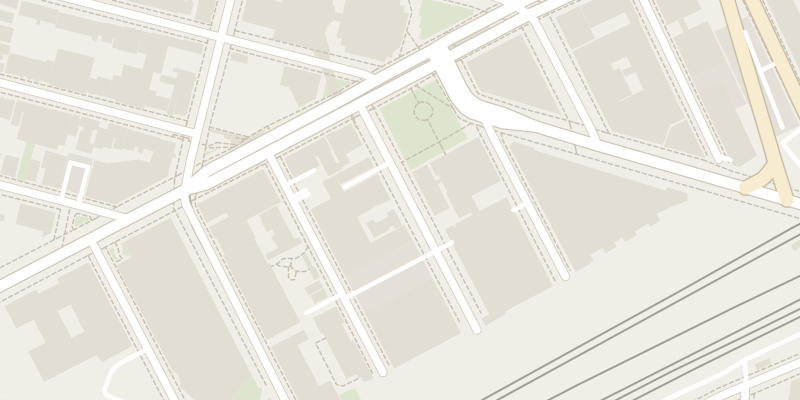
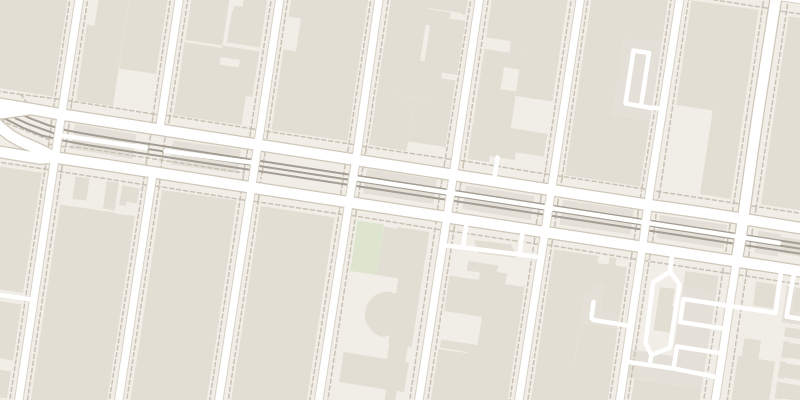
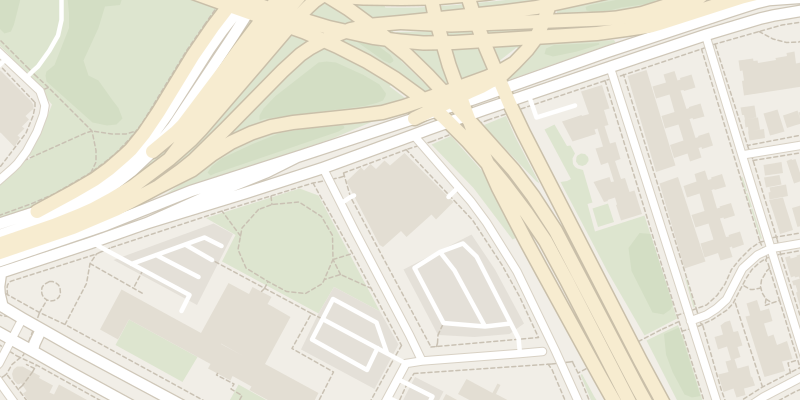
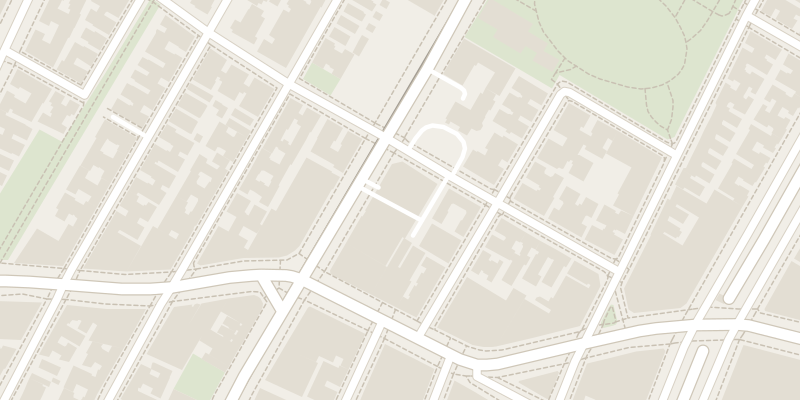
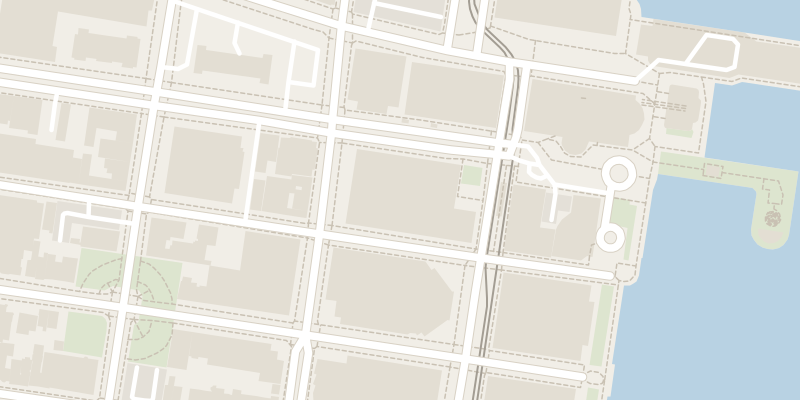
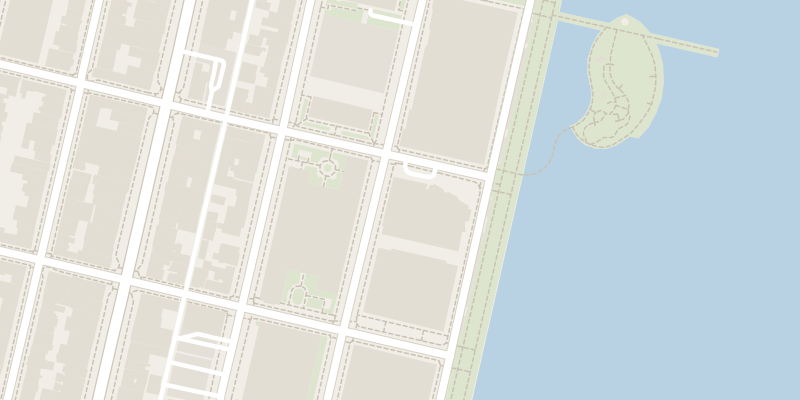
From New Jersey, by PATH. If you park in Jersey City or Hoboken, you never cross the Hudson by car: no tunnel toll and no zone toll. The 101 Hudson garage in Jersey City is less than 300 m in a straight line from Exchange Place station, where PATH trains run to World Trade Center. In Hoboken, Hudson Park Garage on River Street is about 400 m from the PATH terminal, with trains to World Trade Center and to 33rd Street.
Rental cars and plates from other states
The bill always goes to the registered owner. In a rental car, that owner is the rental company: the MTA bills it, and it passes the toll on to you under the terms of your rental agreement. Read its toll policy before you sign, because that is where the final price is decided, not at the MTA.
Bringing your own E-ZPass tag is no guarantee either. According to the MTA, if your E-ZPass account is not associated with the vehicle’s plate, the registered owner receives a Tolls by Mail bill. Before using your tag in a rental car, add that car’s plate to your account.
Plates from another state are not a problem: you pay the E-ZPass rate as long as the plate is registered on your E-ZPass account, and an out-of-state plate can be linked to an E-ZPass New York account. A car from New Jersey, Connecticut or Pennsylvania with a properly registered tag pays exactly the same as a New York car.
Which plan fits your trip
- Day trip from New Jersey: park near a PATH station and ride into Manhattan. No toll to pay and no Midtown traffic to face.
- Coming from Long Island or the airports: stop in Queens, at Court Square or Sunnyside, and take the 7 line or the E line.
- Coming down from upstate or Connecticut: park in the Bronx or in Harlem, or north of 60th Street, and take the subway south.
- Hotel inside the zone: you pay once on the day you arrive. Enter before 5:00 on a weekday or before 9:00 at the weekend to pay the overnight rate, then keep the car parked.
- Rental car without your own tag: expect the Tolls by Mail rate plus whatever your rental company adds, or avoid the zone completely by parking outside it.
Before setting off, check the rate in force on the MTA website: the schedule is due to change in 2028, and the 25% surcharge can apply on Gridlock Alert Days.
Frequently asked questions
How much is the Manhattan congestion toll in 2026?
What time does the congestion toll start and end?
Do I pay every time I enter the zone?
Is 60th Street inside the congestion zone?
How does a rental car pay the Manhattan toll?
Sources
- MTA, Congestion Relief Zone
- MTA, Congestion Relief Zone FAQ
- MTA Bridges and Tunnels, CBD toll schedule (PDF)
- MTA, Tolls
- NYC DOT, Municipal Parking Facilities
- Port Authority of NY & NJ, PATH Exchange Place Station
- Port Authority of NY & NJ, PATH Hoboken Station
Checked against official sources on 2 October 2026. Report an error