Milieuzones in the Netherlands: cities, diesel cars and foreign plates
Only four Dutch cities ban older diesel cars: Amsterdam, Den Haag, Utrecht and Arnhem, and Eindhoven joins them on 1 January 2027. Petrol, LPG and electric cars are never affected. Foreign plates need no registration, but cameras read them and the fine is €130.
Key points
- Amsterdam, Utrecht and Arnhem only admit diesel cars of emission class 5 or higher; Den Haag admits class 4 or higher.
- From 1 January 2027, Eindhoven bans diesel cars of class 4 or lower inside the Ring; Rotterdam has no zone for cars.
- Foreign cars must follow the rules but need no advance registration; cameras read number plates and the fine is €130 plus costs.
- Diesel cars aged 40 years or more are exempt; a day exemption for cars exists in Arnhem and, from 2027, in Eindhoven.
- Petrol, LPG and electric cars may enter every milieuzone; with an older diesel, the simplest option is a P+R outside the zone.
Which Dutch cities ban older diesel cars
A milieuzone is an area where certain diesel vehicles may not drive. The traffic rules behind it are the same across the whole country, but each municipality decides whether it wants a zone and for which vehicles. For private cars the list is short. According to the national website milieuzones.nl, only four cities currently have a milieuzone for diesel passenger cars, and a fifth joins them on 1 January 2027.
| City | Area covered | Diesel cars allowed | Colour of the zone |
|---|---|---|---|
| Amsterdam | everything inside the A10 ring road | emission class 5 or higher | blue |
| Den Haag | inside the Centrumring (S100) and the Professor B.M. Teldersweg (S200) | emission class 4 or higher | green |
| Utrecht | the city centre | emission class 5 or higher | blue |
| Arnhem | the singels, Nieuwe Plein, Hoge Rijnkade and everything within them | emission class 5 or higher | blue |
| Eindhoven | inside the Ring, from 1 January 2027 | emission class 5 or higher | blue |
Petrol, LPG and electric cars may enter every one of these zones, whatever their age. The restriction is about diesel only.
Two points are worth knowing before you plan around this table. In Arnhem the current rules took effect on 1 June 2026, and the Airborneplein and the Lage Kade lie outside the zone. In Utrecht the council wanted to extend the zone to the whole built-up area on 1 January 2027, but it has announced that this cannot happen on that date because national rules do not yet allow it. The zone therefore stays limited to the centre, and the council has promised to give at least 6 months’ notice before any extension.
Rotterdam is not on the list. Its old milieuzone for diesel lorries was replaced by a zero-emission zone, and there is no zone for private cars. Keep in mind that the list changes over time: the official map on milieuzones.nl is the reference before each trip.
How to find your emission class
Everything depends on the emission class (emissieklasse), a number from 0 to 6. The higher the number, the cleaner the vehicle. For a foreign driver the useful rule is simple: the emission class matches the Euro standard of your car. A diesel certified Euro 5 is class 5, and a Euro 4 diesel is class 4. Look for it in your vehicle papers before the trip.
If you cannot find it, the national website publishes tables based on the date of first registration. For passenger cars and light vans up to 1280 kg in running order, the dates are:
| First registered | Emission class |
|---|---|
| 1 January 2000 to 31 December 2004 | 3 |
| 1 January 2005 to 31 August 2009 | 4 |
| 1 September 2009 to 31 August 2014 | 5 |
| from 1 September 2014 | 6 |
Going by the table, a diesel car first registered before September 2009 cannot enter the blue zones of Amsterdam, Utrecht and Arnhem, nor Eindhoven from 2027. A diesel registered before 2005 cannot enter the green zone of Den Haag either.
Foreign number plates: do you need to register?
No. The Dutch government’s page in English states that milieuzone rules apply to foreign vehicles, and that there is no need to register in advance. The only exception is the Maasvlakte, the industrial port area near Rotterdam, which has its own registration.
The flip side is that you have to check your own car. Utrecht says plainly that its number plate checker does not work for foreign plates, and that drivers must then verify for themselves that the car reaches class 5, using the tables above. Do this before leaving home, not at the edge of the zone.
The sign and the cameras
Since 1 January 2026 a new sign marks both milieuzones and zero-emission zones, and municipalities had the first 6 months of the year to put it up. It is a white sign with the word ZONE and a red circle containing a car giving off exhaust fumes. The plates underneath show which vehicles are concerned: a car silhouette for a passenger car zone, and the emission classes that are refused. In places you may still see the older sign, with a plate listing the classes that are allowed in.
Arnhem points out that warning signs stand some distance before the boundary. When you see one, you can still choose another route. Once past the sign at the boundary itself, you are in the zone.
Enforcement is the job of each municipality. Usually cameras read number plates automatically and match them with the vehicle register; officers can also check on the spot. If you drive into a zone that your car may not enter, the fine for a passenger car has been €130 since 26 November 2025, plus administration costs. In Den Haag the fines are handled by the CJIB, the central Dutch fine collection agency.
Exemptions: who may enter anyway
Some vehicles are exempt automatically, without any application, in every milieuzone in the country:
- Classic cars. A diesel car aged 40 years or more may enter.
- Wheelchair accessible vehicles. They must be registered as such in the Dutch vehicle register.
- Motorhomes of residents. An owner who lives inside a zone may drive their diesel motorhome into that zone only.
A car adapted for a disability, for €500 or more, can obtain an exemption from a municipality. That exemption is then valid in the other zones as well.
For an occasional visit with an older diesel, the day exemption (dagontheffing) is the tool to look at, but not every city offers it for cars:
- Arnhem: yes. You can request it for up to 12 days per year per number plate, at €38.20. It runs from 00:00 until 06:00 the next day, so 30 hours, and you must request it before or on the day itself. Requests go through the parking service P1.
- Eindhoven: yes, once the zone starts in 2027. Up to 12 times per calendar year per vehicle, at €35.
- Utrecht: the day exemption exists only for coaches. For a car, the council grants exemptions on medical grounds to residents, workers or students in the zone, or in special situations, after a procedure that can take up to 8 weeks.
- Den Haag: the day exemption is also reserved for diesel coaches.
- Amsterdam: check the municipal website before your trip.
Put simply, a visitor with an older diesel and no exemption should plan to park outside the zone.
Zero-emission zones: vans and lorries only
Since 1 January 2025 several cities also have zero-emission zones, but these apply only to vans and lorries, not to private cars. If you hire a van, check that page separately.
Leave the car at a P+R outside the zone
The simplest way round a milieuzone is not to enter it at all. Each city on the list has park and ride sites on its outskirts, and the prices, opening hours and transport links shown below come from our database.
Amsterdam
Amsterdam has its own P+R system, with precise conditions for the reduced rate and a list of sites inside and outside the zone. We cover it in detail in our guide to parking in Amsterdam with P+R and number plate payment.
Den Haag
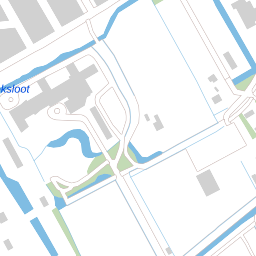
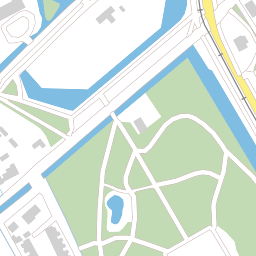
For longer visits the municipality recommends leaving the car at a P+R on the edge of the city. P+R De Uithof is free and connected to the centre by RandstadRail line 4. At Station Leidschenveen Haven you can continue on RandstadRail. Just across the municipal boundary, P+R Mariahoeve in Voorburg is also free and served by tram 6.
Utrecht
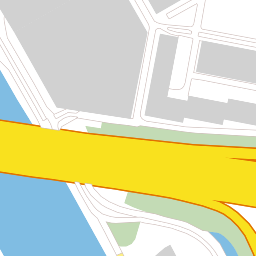
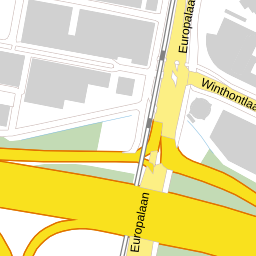
Because the zone only covers the centre, the large P+R garages on the outskirts are well away from it. At Westraven, Papendorp and Utrecht Science Park you can buy a combined ticket for parking and a return trip by bus or tram, valid for up to 5 people, at the yellow U-OV machine. Travelling alone, your own OV-chipkaart is cheaper. The reduction only applies if your last check-in is in the centre area, you check out at the P+R stop and you leave by 01:00. OVpay does not yet give the reduction.
Arnhem
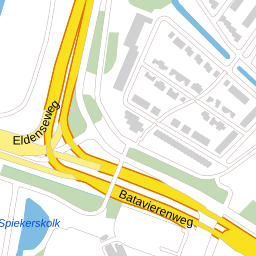
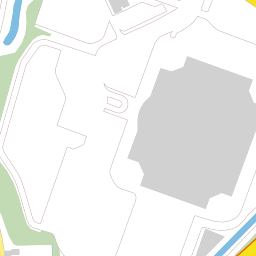
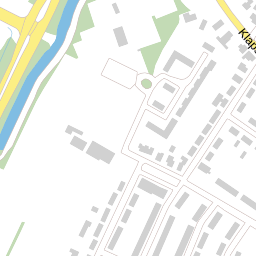
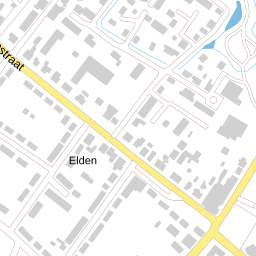
P+R GelreDome lies south of the Rhine, beside the stadium, far from the singels that mark the zone. The municipality lists it as free and open around the clock, but it is not available during major events at the GelreDome. A group ticket sold by the driver on buses 7 and 306 costs €3.50 for up to 4 people, for a return trip to Velperplein. P+R Station Arnhem Zuid is also free and lets you continue by train.
Eindhoven
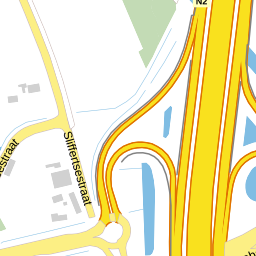
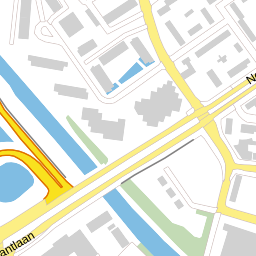
The municipality points visitors to two P+R sites on the edge of the city. Coming from Den Bosch on the A2 or from Tilburg on the A58, use P+R Meerhoven, right beside the N2. Coming from the south, use P+R Genneper Parken. From both, buses run to the centre.
Before you set off
A short checklist for a trip by car to a Dutch city. First, find the Euro standard of your diesel and compare it with the zone you are heading for. Second, look at the official zone map, because in Utrecht and Arnhem the zone is defined street by street rather than by a ring road. Third, if your car is refused, choose a P+R on your approach road rather than relying on a day exemption that may not exist for cars. Finally, keep in mind that petrol, LPG and electric cars are never affected, so a hire car on petrol solves the question entirely.
Frequently asked questions
Do I need to register my foreign car to enter a Dutch milieuzone?
Does Rotterdam have a milieuzone for cars?
How do I know the emission class of my diesel car?
How much is the fine for entering a milieuzone?
Can I get a day pass for an older diesel?
Sources
- Milieuzones in Nederland, Personen- en bestelauto's
- Milieuzones in Nederland, Locaties milieuzones
- Milieuzones in Nederland, English
- Milieuzones in Nederland, Tables Vehicle's Euro emissions standard
- Milieuzones in Nederland, Verkeersbord en onderborden
- Milieuzones in Nederland, Handhaving
- Milieuzones in Nederland, Veelgestelde vragen
- Milieuzones in Nederland, Ontheffing van gemeente
- Gemeente Amsterdam, Regels milieuzone personenauto's
- Gemeente Den Haag, Milieuzone centrum voor auto's en personenbussen op diesel
- Gemeente Den Haag, Slim parkeren met Park and Ride (P+R)
- Gemeente Utrecht, Milieuzone en zero-emissiezone
- Gemeente Utrecht, Eisen personenauto voor milieuzone
- Gemeente Utrecht, Milieuzone, ontheffing voertuig aanvragen
- P1, P+R Utrecht Science Park
- P1, P+R Westraven
- Gemeente Arnhem, Milieuzone en zero-emissiezone
- Gemeente Arnhem, Ontheffing milieuzone personenauto's en autobussen
- Gemeente Arnhem, Parkeergarages, parkeerterreinen en P+R
- Gemeente Eindhoven, Zero-emissiezone en milieuzone
- Gemeente Eindhoven, Wat betekent dit voor personenauto's?
- Gemeente Eindhoven, Parkeren en reizen (P+R)
Checked against official sources on 5 October 2026. Report an error
Related articles
Average speed checks in the Netherlands: locations, tolerance and fines
An average speed check does not measure your speed at a single point but your average speed between cameras, day and night and in every lane. Below you can read how the system works, where it is installed, which measurement tolerance applies and how the CJIB fine reaches you.
8 min read NetherlandsParking in Rotterdam: rates, P+R, car parks and low emission zones
On-street parking in central Rotterdam is expensive, but a P+R site or a booked space in a city car park costs far less. This guide sets out the rates, payment methods, enforcement and the rules of the environmental zone and the zero emission zone.
9 min read NetherlandsParking in Utrecht: rates, P+R, car parks and visitor parking
Utrecht has 3 paid parking zones, with hourly rates of up to €8.01 in the city centre and scan cars that check every number plate. Choose wisely and you can park at a P+R or in a cheaper car park, and if you are visiting a resident you can park on the street at a 50% discount.
8 min read